
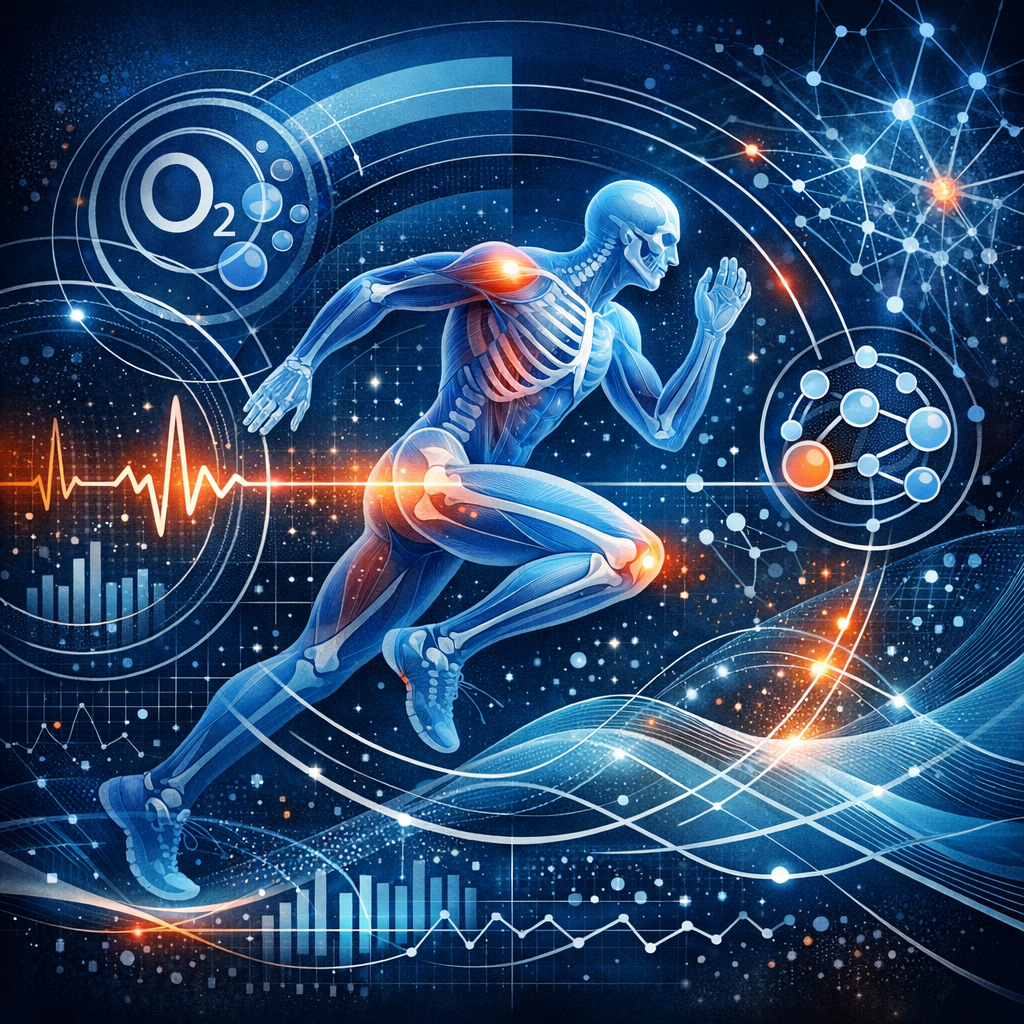
This course is designed for IB Diploma Programme students taking Sports, Exercise and Health Science at Standard Level who need full syllabus coverage, clear assessment guidance, and structured preparation for exams and the Internal Assessment.
It starts with a diagnostic phase so students can identify weak areas in content, data handling, and exam technique, then turn those findings into a target-grade plan, revision schedule, and mistake-log system. From there, the course teaches the underlying SEHS curriculum in a logical sequence: anatomy, physiology, energy systems, neuromuscular function, biomechanics, training, skill acquisition, psychology, nutrition, environmental factors, and scientific inquiry.
The course does not rely on generic exam tips. Students learn the actual concepts they are expected to know, then practise applying them to unfamiliar tasks, data sets, sporting situations, and exam-style questions.
- Assessment literacy: understand the syllabus map, assessment objectives, command terms, paper structure, mark allocation, timing, and grade-quality expectations
- Core science mastery: build accurate understanding of skeletal and muscular anatomy, circulatory and respiratory physiology, energy systems, fatigue, recovery, and movement control
- Biomechanics and movement analysis: calculate and interpret kinematics, forces, momentum, levers, rotation, stability, and fluid mechanics in sport contexts
- Training and performance: apply principles of training, fitness testing, intensity prescription, and program design to realistic performance goals
- Skill acquisition and psychology: explain learning stages, practice types, feedback, motivation, anxiety, concentration, imagery, and team dynamics using sport-specific examples
- Nutrition and health: evaluate macronutrients, micronutrients, hydration, recovery nutrition, supplements, and lifestyle-related health issues with evidence-based reasoning
- Data and statistics: interpret tables, graphs, descriptive statistics, correlations, error sources, reliability, validity, and evaluation statements
- Internal Assessment support: develop a focused research question, sound method, clear data presentation, justified analysis, and specific evaluation of limitations and improvements
- Revision and exam readiness: use cumulative review, timed drills, self-marking, worked examples, and weak-area remediation to improve performance efficiently
Throughout the program, students practise writing answers that match what IB examiners reward. This includes selecting the right depth for different mark values, using precise subject terminology, linking theory to examples, and supporting claims with data instead of vague statements.
The course is especially useful for students who need to:
- close gaps in understanding across the full SEHS SL syllabus
- improve application to unfamiliar questions rather than just memorizing definitions
- become confident with command terms such as describe, explain, analyze, and evaluate
- produce stronger Internal Assessment planning, analysis, and reflection
- revise strategically in the weeks and months before assessment
By the end of the course, students should be able to explain key SEHS concepts accurately, interpret data with confidence, design and evaluate practical investigations more effectively, and produce higher-quality exam responses under timed conditions.